The Beginning of Digitizing Cornerstones of Community
Feb. 9, 2026
By: Moya Moses
Who I Am
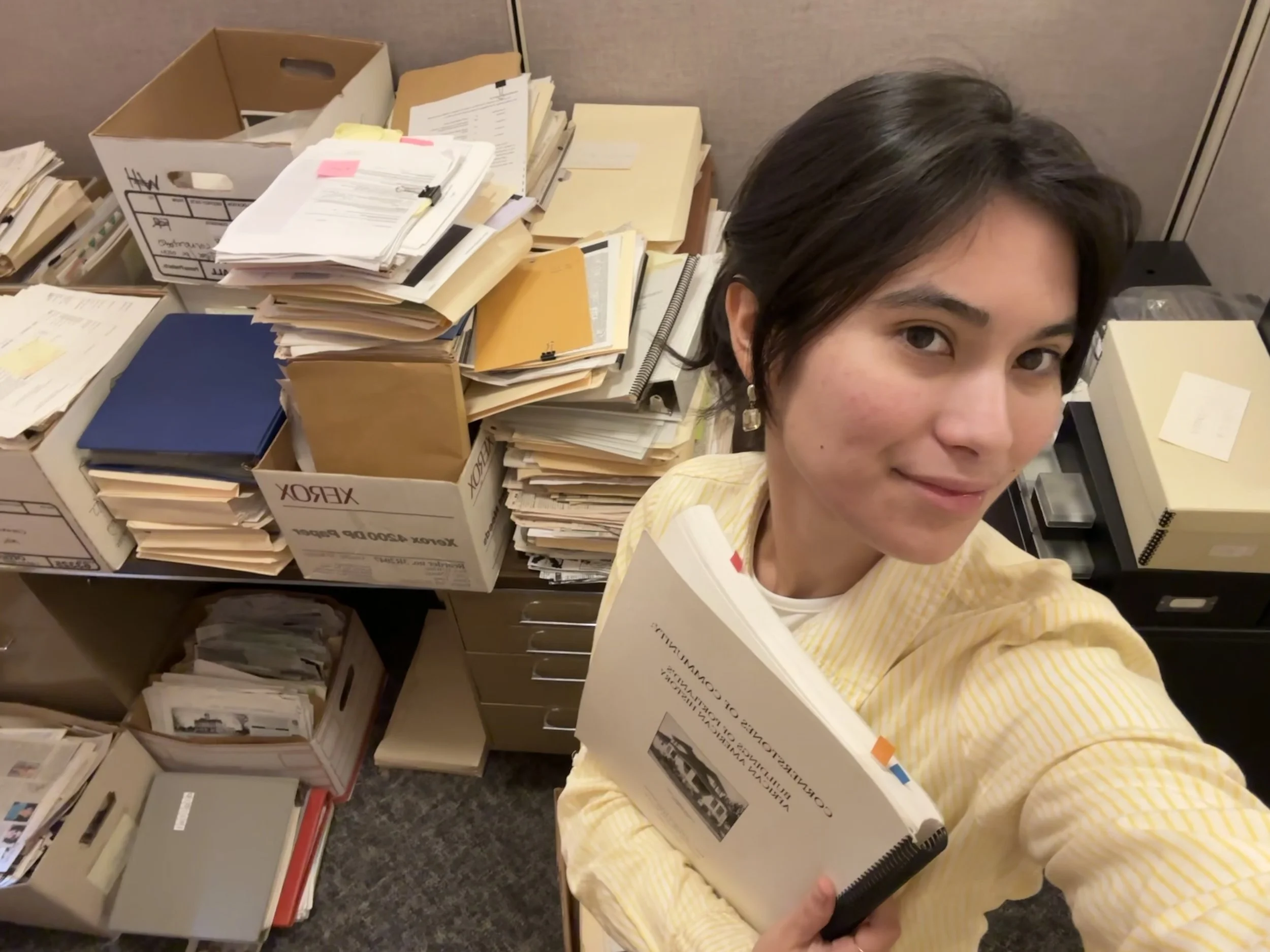
My name is Moya Moses, and I am a recent graduate of Cornell University, where I earned a B.S. in Urban Planning and a minor in Landscape Architecture. I have been a volunteer at the Architectural Heritage Center for six months. I visit the center twice a week, spending three hours archiving every Wednesday and three hours at the front desk every Friday. My front desk duties include greeting guests, processing sales transactions, and answering the phone– sorry in advance, I’m early in my secretarial training! I have loved volunteering at AHC. It is such a unique space for connecting with Portland’s history-obsessed, and actual physical representations of the city’s past! Our patrons are curious, good-natured, and sharp.
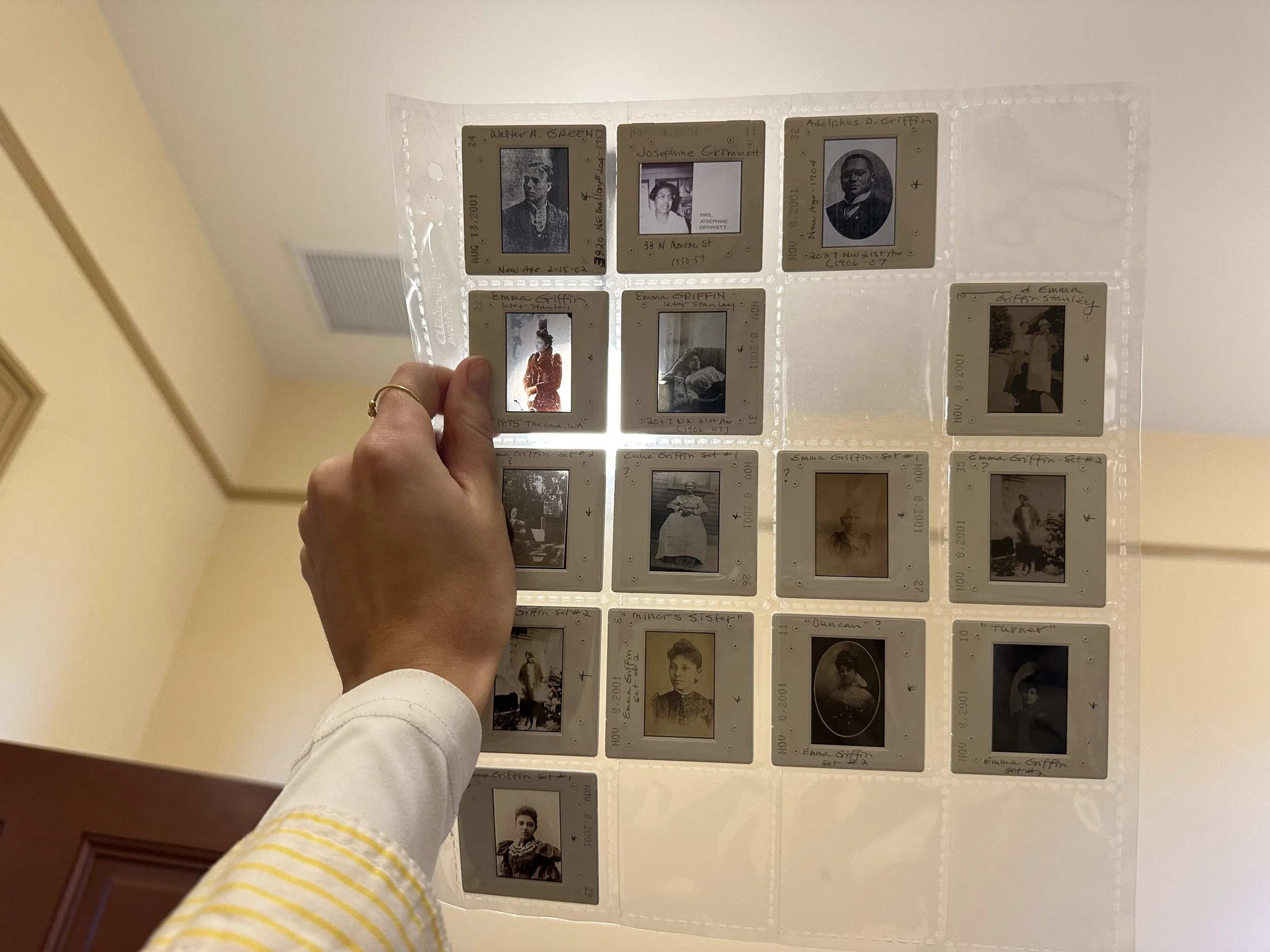
My archival work entails organizing a collection of documents associated with the Cornerstones of Community: Buildings of Portland’s African American History project. Currently, the project fills half of a small office with boxes of photographs, newspaper clippings, audio files, biographies, address lists, and material from the development of the project itself. I, along with a few other volunteers, are working towards organizing and eventually digitizing all of the material to make it available as a research resource.
What is the Cornerstones Project?
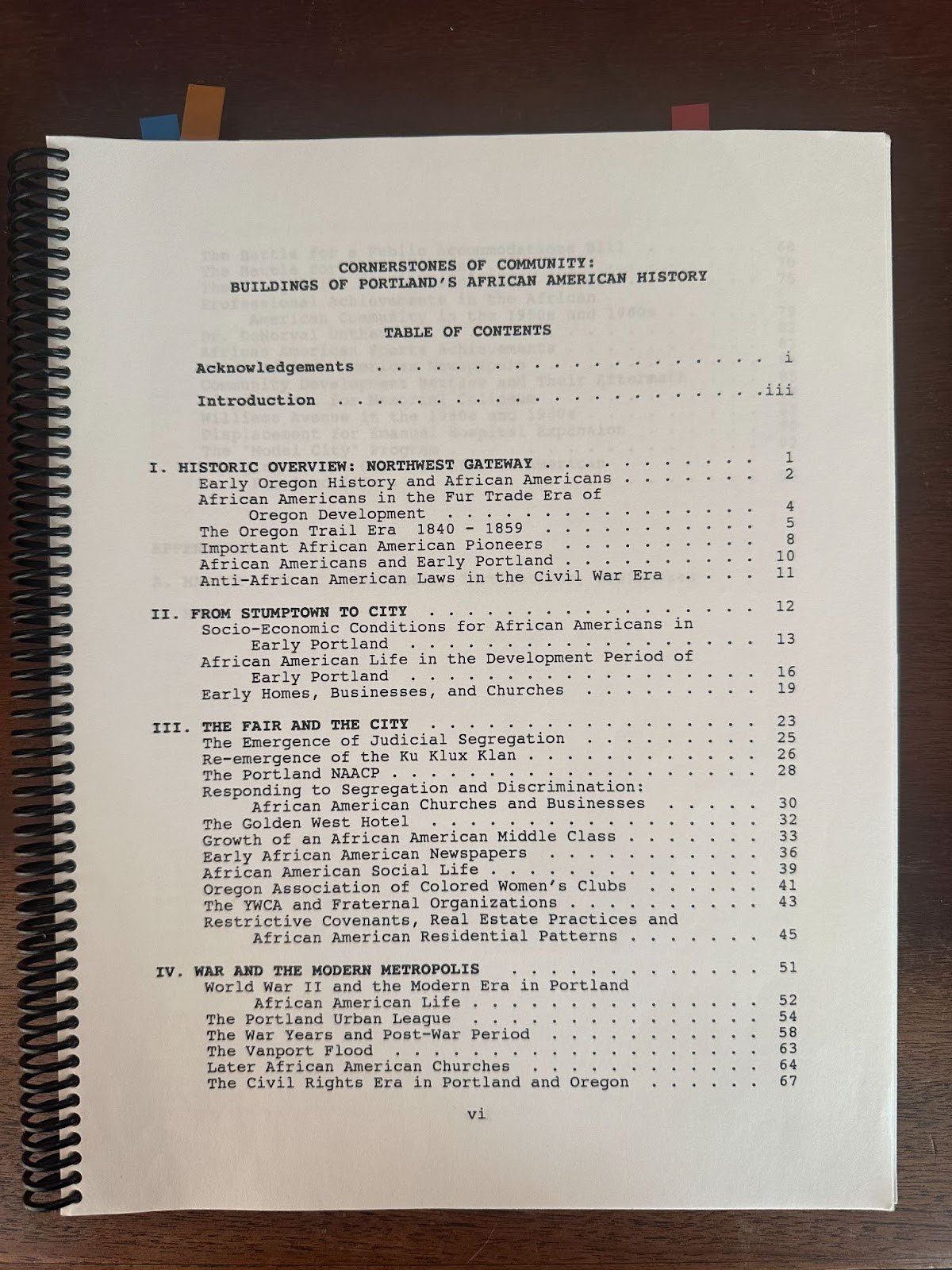
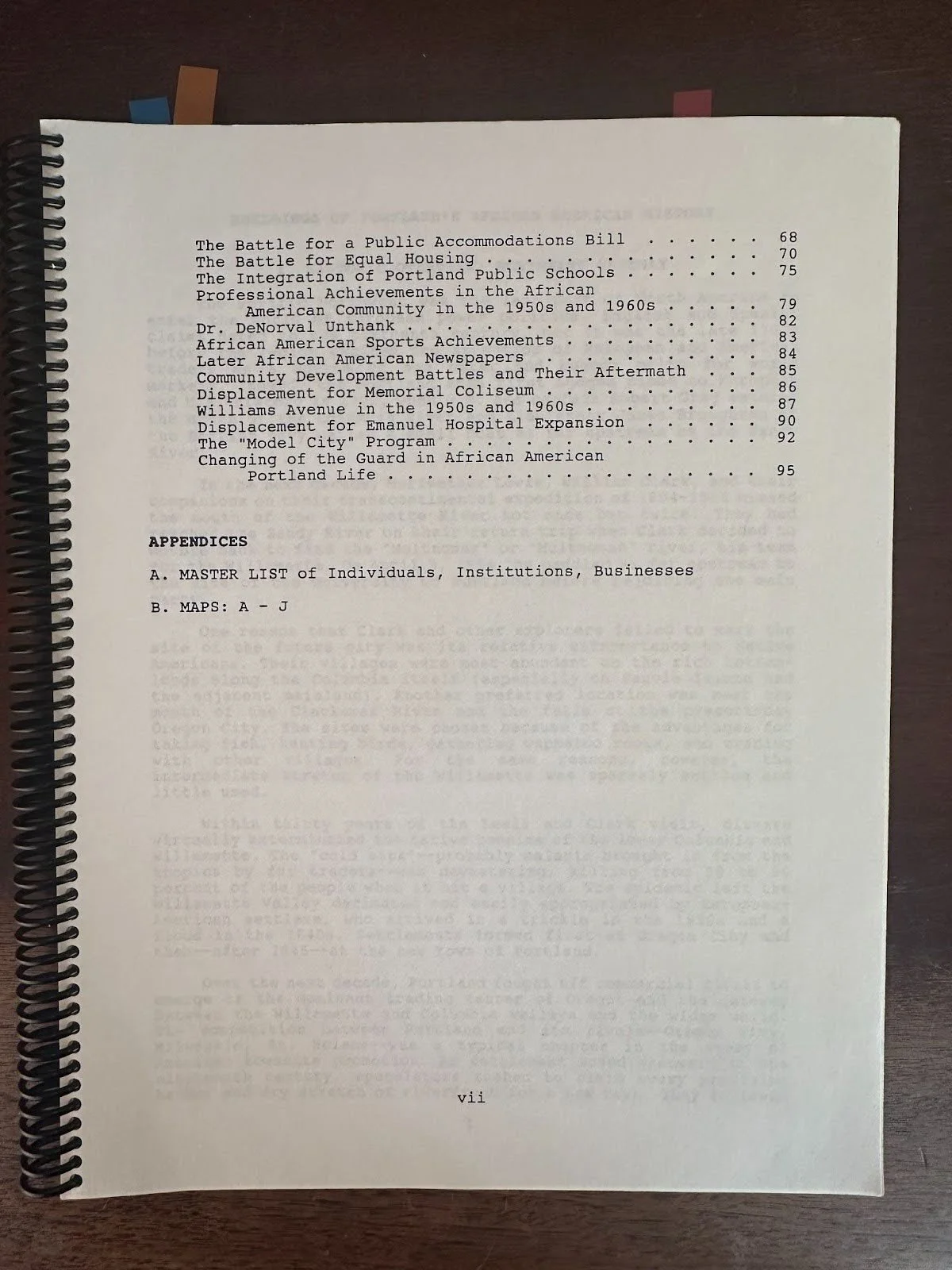
The Cornerstones project began in 1994, 32 years ago this month, when the Bosco Milligan Foundation sponsored a seminar and walking tour at Mt. Olivet Baptist Church to celebrate Black History Month. The participants encouraged further work in documenting African American history in Portland. The project team included Bosco Milligan Foundation representatives, Portland State University professors, a community history committee, volunteers, and community members. The project received federal funding through the National Park Service, State funding through the Oregon State Historic Preservation Office, as well as private funding. The report is described as a ‘context statement’ and is a historical overview of the African American community in the city of Portland from 1800-1970s. It details early homes, businesses, and churches, social life, historic moments, and more.
Why is it Important?
The Cornerstones project has a special place in my heart due to my first experience in the world of urban planning consulting and professional historical research. Last summer, I worked for the City of Salem to help create a context statement not entirely unlike the Cornerstones project. However, that project covered five minority groups and attempted to encompass nearly the entire history of the city, from the 1800s to the 2000s. In organizing my research, I often lamented the lack of spatial and geographic information available. The simple question, with large implications– where did these groups live throughout the years– had no easy answer. The Cornerstones project, by contrast, is rich with biographical information in the form of countless interviews, newspaper clippings, and even compiled maps of historically significant neighborhoods. How useful this would have been in Salem! I chose to work on this project because I understand how valuable this kind of research can be as a tool for informing the future of planning! The kind of research performed in the Cornerstones Project is essential for uncovering causes of disparities, providing evidence-based frameworks for preserving and uplifting diverse communities, and ensuring that planning decisions are inclusive rather than perpetuating marginalization.
In the introduction to the report, the Project Coordinator, Cathy Galbraith, an AHC Executive Director, describes hearing Dr. Kenneth Smith, a theologian and Trustee of the National Trust for Historic Preservation, say the following: “Historic preservation as a way of preserving the dreams of the men and women of the past, so that we can understand the present and build our future. When people feel left out of history, by design- when their achievements are ignored and left out- they will create enclaves of their own, both healthy and unhealthy, for self-affirmation. But when all are involved, they will bring their histories as gifts to the table.”
Progress- What’s Next?
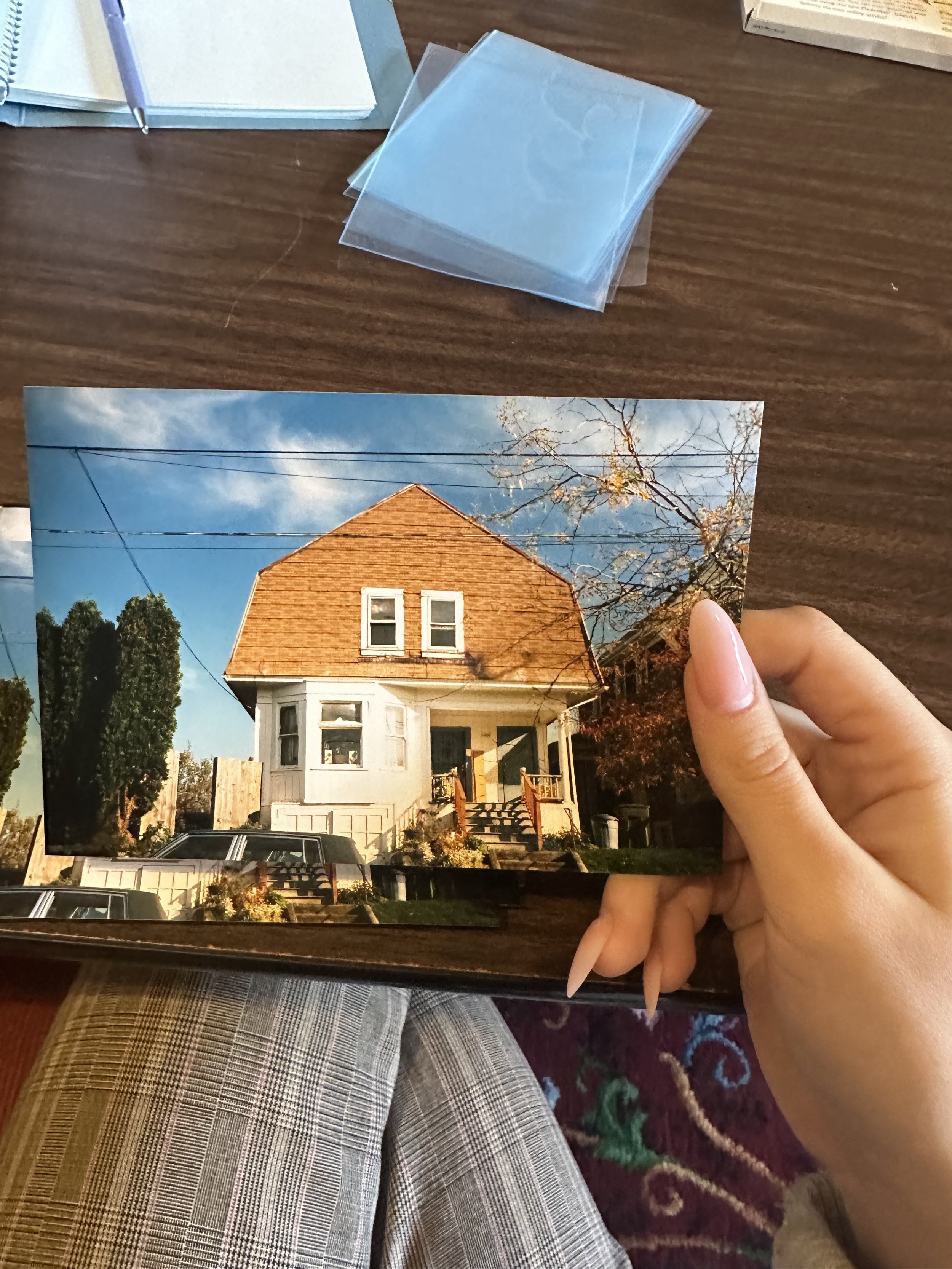
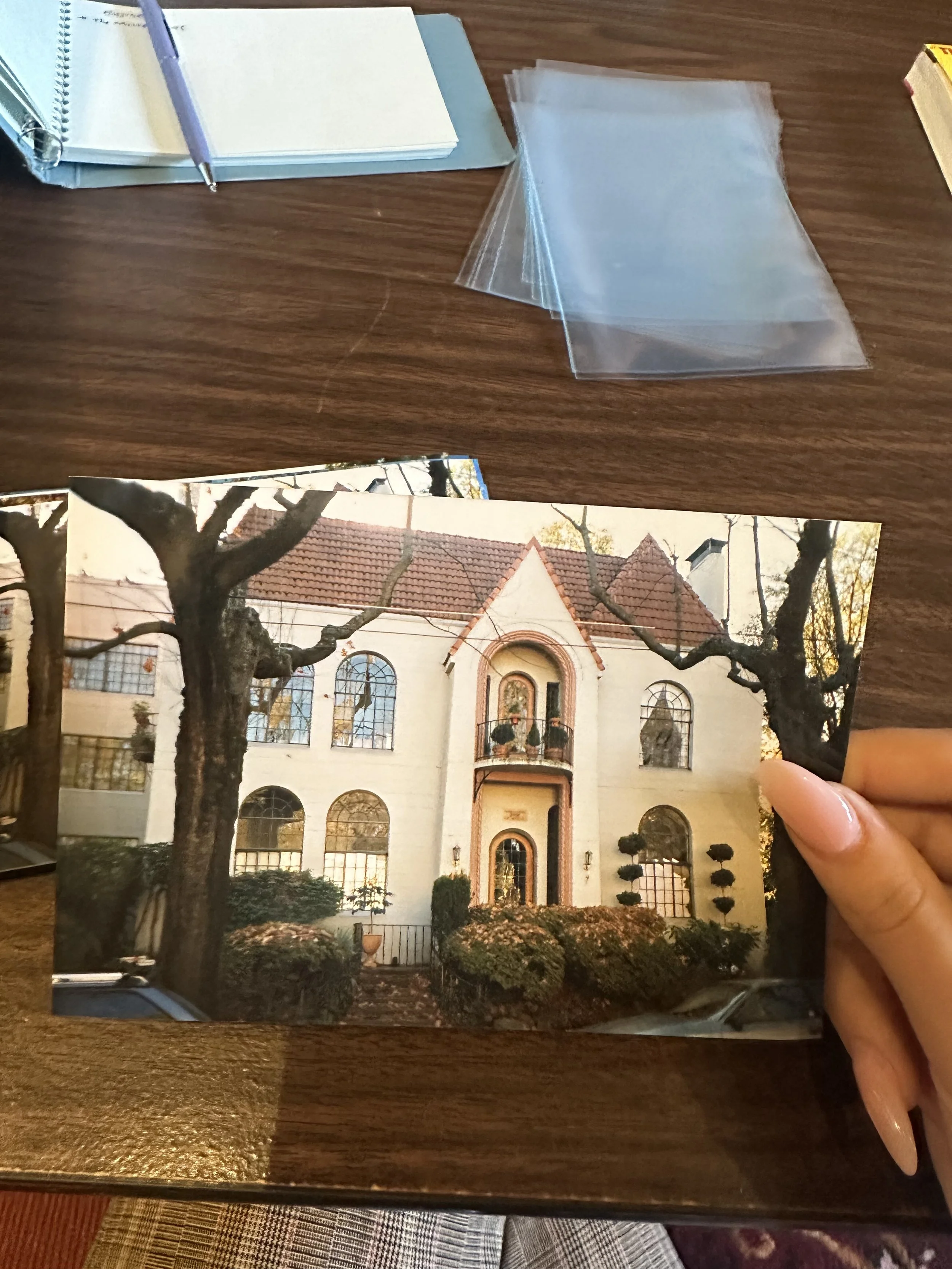
So far, I have categorized sets of photographs by building type and placed them in protective sleeves. I am currently working on alphabetizing individual community members’ profiles, of which there are many!
This work is important for the Architectural Heritage Center, but also for future researchers and planners. It is so important to learn from our history, as challenging and as offensive it may be. Acknowledging the real, lived experience of people from our past can help us recognize the importance of those different points of view. Making this expansive catalog available online would be a massive asset. Much work remains, but you can help! You can help us digitize the Cornerstones project! We have a goal of $1,000, which will cover digitizing audio cassette interview recordings from many Black NE Portland residents. Please support us in furthering Black representation in Oregon’s history. Donate now!