
PORTLAND DESIGN REVIEW
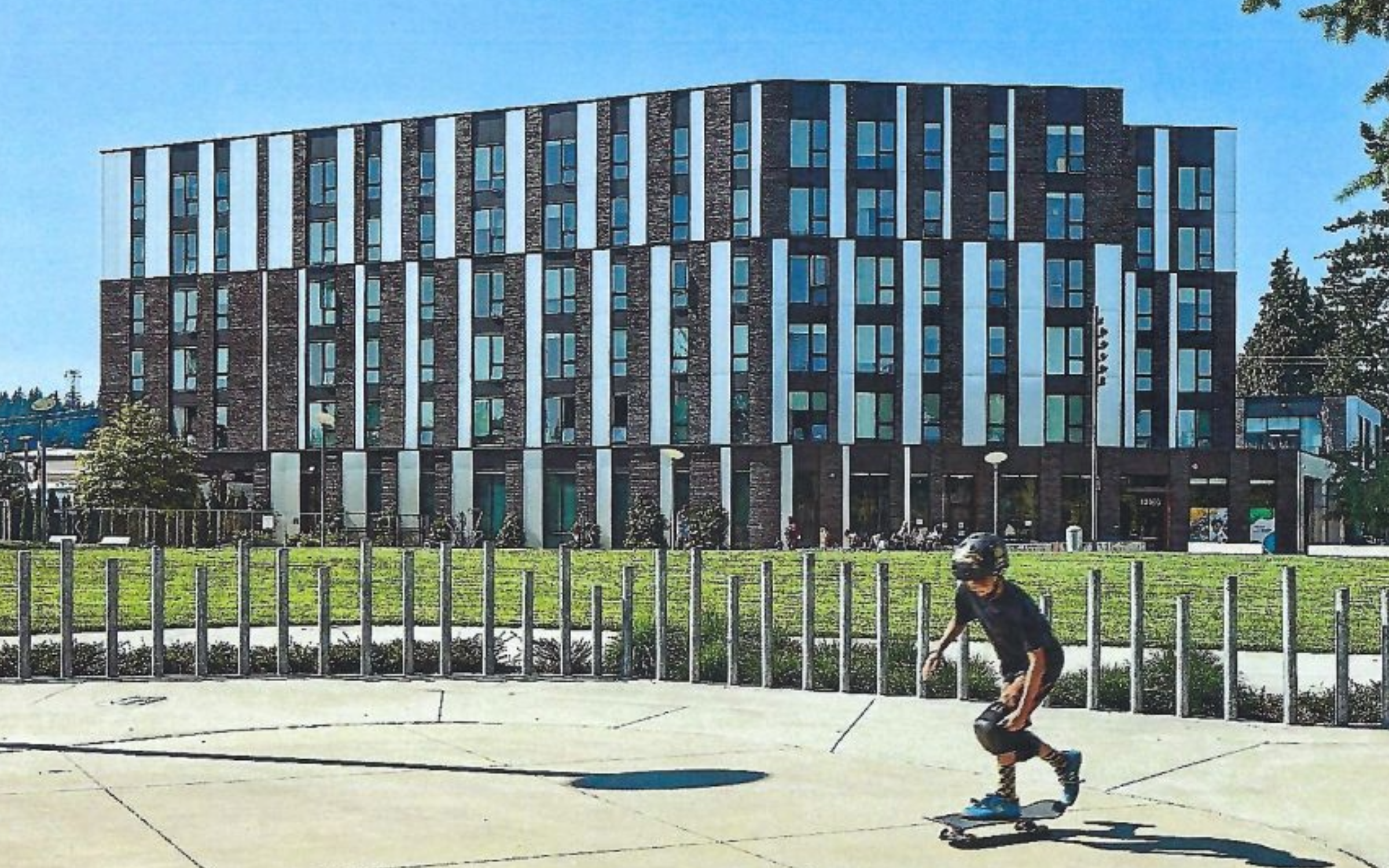
Portland is considering reforms to its design review process in response to the ongoing housing crisis. While improving efficiency and predictability is a shared goal, proposals to suspend design review entirely or limit the Landmarks Commission’s authority over height and density pose serious risks to Portland’s historic resources and long-term livability.
As a nonprofit dedicated to historic preservation, education, and advocacy, we support targeted, evidence-based reforms that streamline review while preserving the tools needed to respond to site-specific context—especially within historic districts and around designated landmarks.
We urge City leaders to reject blunt exemptions and instead pursue reforms that refine and improve design review as a tool for delivering well-designed, context-sensitive housing.
Policy Context
City Council Resolution 37725 directed the City Administrator to evaluate Portland’s design review process and recommend changes to support housing and economic development. Read the report HERE.
In this context, some stakeholders have proposed:
Temporarily suspending design review to accelerate housing, citing Seattle’s three-year exemption.
Removing or limiting the Landmarks Commission’s ability to adjust height, massing, or density to address historic context.
These approaches would fundamentally alter Portland’s land use system and weaken long-standing preservation protections.
Our Core Positions
Is Design Review a Public Benefit or Stumbling Block to Advancing Housing Solutions?
-
Temporary suspensions produce permanent consequences. Historic buildings, districts, and neighborhood character—once altered or destroyed—cannot be recovered.
Design review is not the problem—unclear standards and cumbersome permitting processes are. There is no clear evidence that suspending design review meaningfully accelerates housing delivery. Housing timelines are far more influenced by financing conditions, labor availability, cumbersome permitting, and market uncertainty than by design review alone. -
The Landmarks Commission’s ability to adjust height, density, and massing is a design tool, not a housing veto.
This flexibility allows projects to:
Respond to irregular lots and sensitive adjacencies
Achieve compatibility with historic resources
Move forward where rigid standards would otherwise block them
Removing this authority would replace nuanced, expert judgment with blunt, one-size-fits-all rules, increasing appeals and conflict rather than speeding approvals. The idea that “every unit must be built” ignores feasibility, livability, and long-term community trust—key ingredients for sustaining housing production over time. -
Improve clarity and predictability of design standards
Shorten timelines through early assistance and objective pathways
Preserve design review for historic districts and landmarks
Retain the Landmarks Commission’s contextual discretion
Measure actual—not assumed—design review delays
Prioritize and expedite adaptive reuse
Conclusion
Portland’s housing crisis requires urgency, but urgency must not override stewardship. Suspending design review or stripping the Landmarks Commission of authority would cause lasting harm while offering uncertain benefits. Portland can deliver housing and protect its historic places—if reforms are thoughtful, targeted, and evidence-based.
At the AHC, we hosted four free talks on Design Review and why it matters. You can watch those videos here, or on our YouTube page.